
01The service
What This Includes
Who it is for
People who have difficulty hearing or understanding speech, need to turn up the television, find it hard to follow conversations especially in crowded places, have tinnitus (ringing in the ears), or simply want to check their hearing.
During the visit
We take your hearing history and discuss your symptoms and everyday difficulties, then carry out the appropriate tests. These may include pure-tone audiometry by air and bone conduction, speech testing when needed, and measurement of the eardrum and middle-ear function. The results are then explained and the suitable recommendations and solutions discussed.
Do I need an appointment?
Booking an appointment in advance is preferred.
How long does it take?
Usually about 30–45 minutes; this may vary with the tests required.
What your results show
A hearing test produces an audiogram, a chart of the softest sounds you hear in each ear at different pitches. It shows whether there is hearing loss, how much (from mild to profound) and what type: whether it comes from the inner ear or hearing nerve, or from the outer or middle ear. Measurements of the eardrum and middle ear help explain what is happening behind the eardrum.
To understand your chart after the visit: how to read an audiogram.
When to book a hearing test
Beyond the situations above, a hearing test is worth booking if:
- one ear seems to hear less well than the other;
- you have been exposed to loud noise at work or leisure and want your hearing checked;
- you are considering a hearing aid, since it is chosen and programmed from your results;
- your current hearing aids no longer help as they did.
Hearing that drops suddenly, usually in one ear over hours or days, is different: it needs same-day medical attention rather than a routine appointment. See why sudden hearing loss is an emergency.
After the test
The audiologist explains your results and talks through the right next step, which may be:
- reassurance and advice on protecting your hearing, if your results are within the normal range;
- hearing aids, if hearing loss affects your daily life: hearing aids in Muscat and hearing aid selection, fitting and follow-up;
- a closer look at tinnitus, if it troubles you: tinnitus assessment and follow-up;
- seeing a doctor or ENT specialist, if the results suggest a cause that needs medical treatment.
Hearing tests for children
This page is for adults. Children have tests suited to their age and ability to respond: see children's hearing tests.
Before your visit
- Book online or contact us by phone or WhatsApp. You do not need a referral from a doctor.
- Note the difficulties you notice, and bring a list of your medicines, any previous hearing test results and your hearing aids if you use them.
- Hearing tests are normally paid; fees are not listed on the website and are given when you contact us. Free tests are offered only during occasional promotions.
- If you buy hearing aids from us after your hearing test here, the test fee is deducted from the price of the hearing aids.
- We are in Bousher, Muscat. For the visit step by step, see how to book a hearing test and what to expect.
Frequently asked questions
Is a hearing test painful?
No. You listen to sounds and respond, and the eardrum measurement uses a soft probe at the entrance of the ear canal.
How long does a hearing test take?
Usually about 30–45 minutes; this may vary with the tests required.
Will I get my results at the same visit?
Yes. The audiologist explains the results after the tests and discusses the right recommendations with you.
Is a clinic hearing test different from an online hearing check?
Yes. An online check can flag a possible problem, but it cannot tell the type or degree of hearing loss in each ear: online hearing check vs clinical hearing test.
Do I need a hearing test before buying a hearing aid?
Yes. A hearing aid is chosen and programmed from your results, and the test also shows whether anything needs medical attention first.
02Team
Specialists for this service

03Knowledge
Related Articles

Protecting Your Hearing in Everyday Life
General, practical ways to reduce everyday noise exposure — at home, at work, and during leisure.
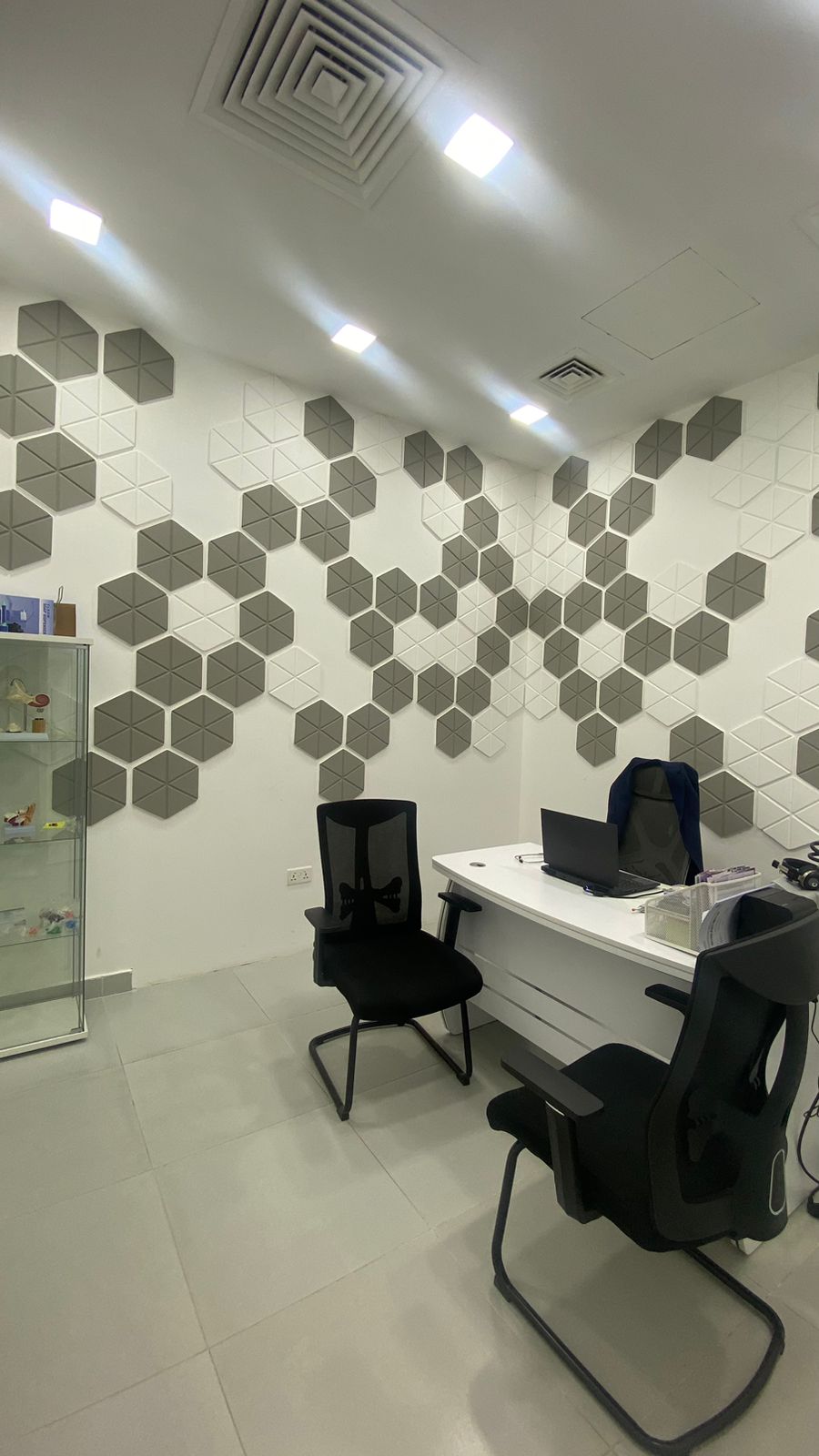
What to Expect During a Hearing Assessment
A general overview of how a hearing assessment usually proceeds, so the process feels less unfamiliar before your visit.
Hearing Aids and Insurance in Oman: Questions to Ask Your Insurer First
There is no single answer on insurance and hearing aids: here are the questions to ask your insurer and the documents to prepare before you decide.