
Booking a Hearing Test in Muscat: What to Know Before Your Visit
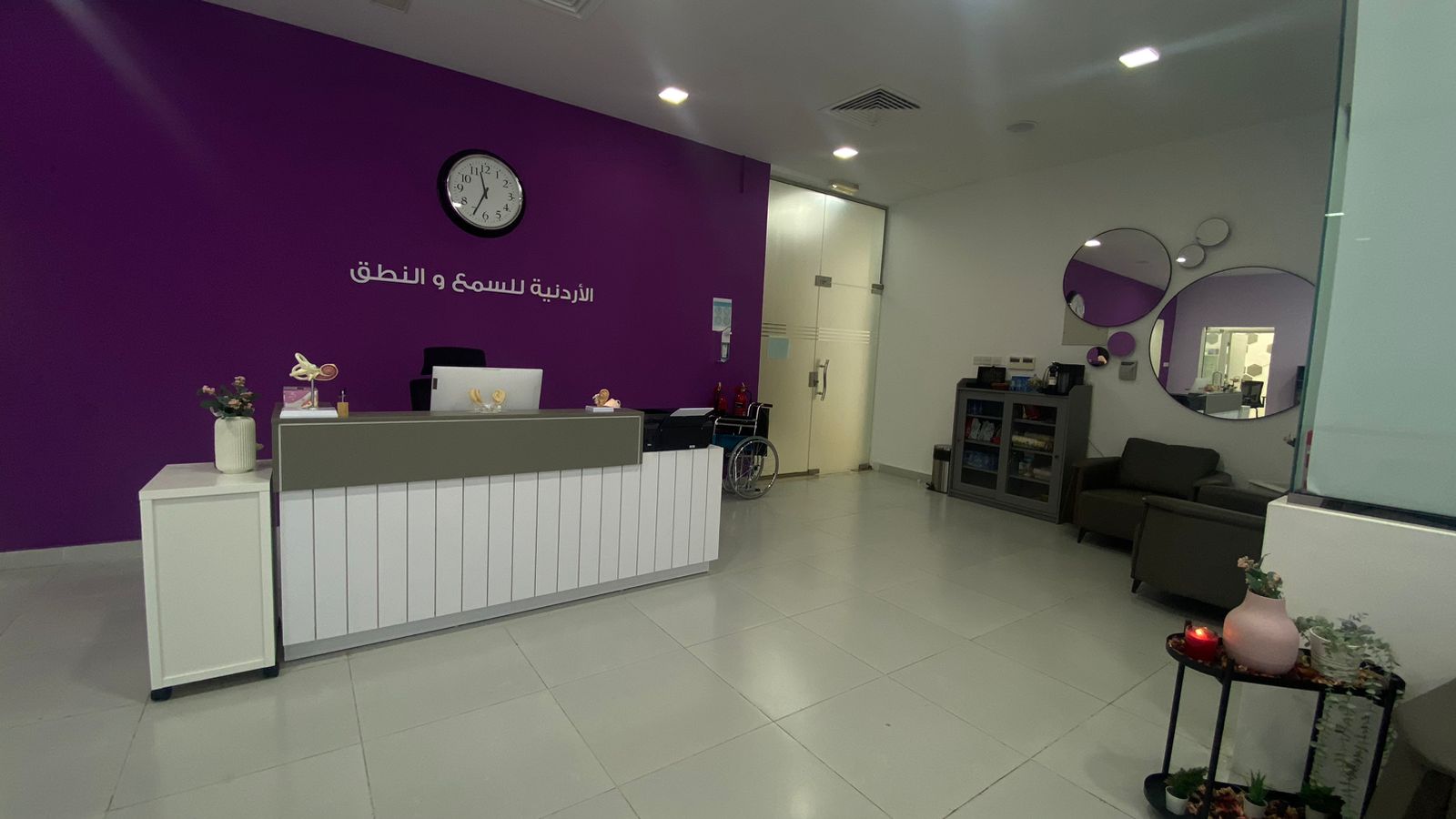
To book a hearing test in Muscat at Jordan Hearing & Speech, you can use our online booking page or contact us by phone or WhatsApp. You do not need a referral from a doctor. Our centre is in Bousher, Muscat, opposite Oman Mall, and we see both adults and children.
Before your visit, it helps to note the hearing difficulties you notice, bring a list of your medicines and any previous test results, and bring your hearing aids if you already use them. On the day, a typical assessment includes a short conversation about your hearing, a look inside your ears, a series of listening tests and an explanation of your results.
Who is a hearing test for?
A hearing test is worth booking if you, or someone close to you, have noticed changes in hearing, such as asking people to repeat themselves, turning up the TV or struggling in noisy places. It is also useful if you have ringing in the ears, work around loud noise, or simply want a baseline check.
We provide:
- An adult hearing test
- A pediatric hearing test for babies and children, using methods suited to their age
If you are not sure which appointment you need, contact us and we will help you choose.
How do you book?
- Choose your service. Adult hearing test, pediatric hearing test or another service.
- Book online or contact us. Use the booking page to request an appointment, or reach us by phone or WhatsApp through the contact page.
- Mention anything important. For example, if the appointment is for a child, if you already wear hearing aids, or if you currently have a cold or a blocked ear.
- Ask about fees. Prices are not listed on the website; they are given on request when you contact us.
No referral is needed to book a hearing assessment with us.
What should you bring?
- A short note of your concerns. When you first noticed changes, which situations are hardest, and whether one ear seems worse.
- A list of your medicines, including any you take regularly.
- Previous hearing test results, if you have them. Comparing results over time can be very useful.
- Your hearing aids, if you already wear them, along with any accessories you use.
- A family member or friend, if you would like support. They often notice things you might not, and can help remember the information discussed.
- For children: any newborn screening results, relevant medical reports and notes about your child's speech, language or response to sound.
How should you prepare?
- If you have a cold, ear infection or a blocked feeling in the ear, mention it when booking, as it can affect some test results.
- Avoid very loud noise, such as loud music or noisy work, shortly before your test where possible, because it can temporarily affect hearing.
- Do not try to clean wax out of your ears with cotton buds before the appointment. If there is wax, it will be seen during the ear check.
- For children, try to book at a time when your child is usually rested and settled.
What happens on the day?
A hearing assessment usually follows these steps:
- Conversation. The audiologist asks about your hearing, health, noise exposure, ringing in the ears, dizziness and family history.
- Ear check. A small light is used to look at the ear canal and eardrum.
- Listening tests. These usually include pure-tone testing, where you respond to beeps, and speech testing, where you repeat words. Middle-ear tests may be added if needed.
- Results. Your results are plotted on an audiogram and explained in plain language; How to Read Your Audiogram: A Plain-Language Guide helps you follow along.
- Next steps. This may be reassurance, advice to see a doctor, a recheck at a later date, or a discussion of support such as hearing aids.
All the tests are painless. For more detail on each test, see Hearing Tests Explained: The Main Types and What Each One Shows, and for a walk-through of the appointment itself, read What to Expect During a Hearing Assessment.
Who will see you?
Hearing assessments at our centre are carried out by our audiologist and speech-language pathologist, Ashfeera Ashraf. Having both audiology and speech-language expertise in one place can be helpful for families when a child's hearing and speech are both being looked at.
What if hearing aids are recommended?
If your results show that hearing aids may help, your audiologist will talk you through the options. As an authorised Danavox (GN Hearing) dealer in Oman, we offer Danavox hearing aid fitting, and you can browse the range of styles in our hearing-aid catalogue before or after your visit.
When to see a specialist
Book a hearing assessment if:
- You or your family have noticed changes in your hearing
- You have ringing in the ears that does not settle
- You work in a noisy environment and want a baseline check
- You have concerns about your child's hearing, speech or response to sound
A hearing centre is not an emergency service. If your hearing drops suddenly, if you have ear pain with discharge, ringing in one ear only, or dizziness with hearing loss, see a doctor promptly.
You can book a hearing test through our booking page, or contact us by phone or WhatsApp with any questions.
Frequently asked questions
Do I need a referral?
No. You do not need a referral from a doctor to book a hearing assessment with us. You can book directly online or contact us by phone or WhatsApp. If you have a referral letter or previous results, it is still helpful to bring them.
Can I bring a family member?
Many people find it helpful to bring a family member or friend. They can share what they have noticed about your hearing and help you remember what was discussed. For children, a parent or carer would normally attend with the child.
Do you test children?
Yes. We offer a pediatric hearing test for babies and children, using methods suited to the child's age and development. If you have concerns about your child's hearing or speech, mention them when booking so the right appointment can be arranged.
Related reading
- What to Expect During a Hearing Assessment
- Hearing Tests Explained: The Main Types and What Each One Shows
- How to Read Your Audiogram: A Plain-Language Guide
This article is general information and does not replace advice from a qualified professional.