
How to Choose a Hearing Aid: Questions to Ask Before You Decide
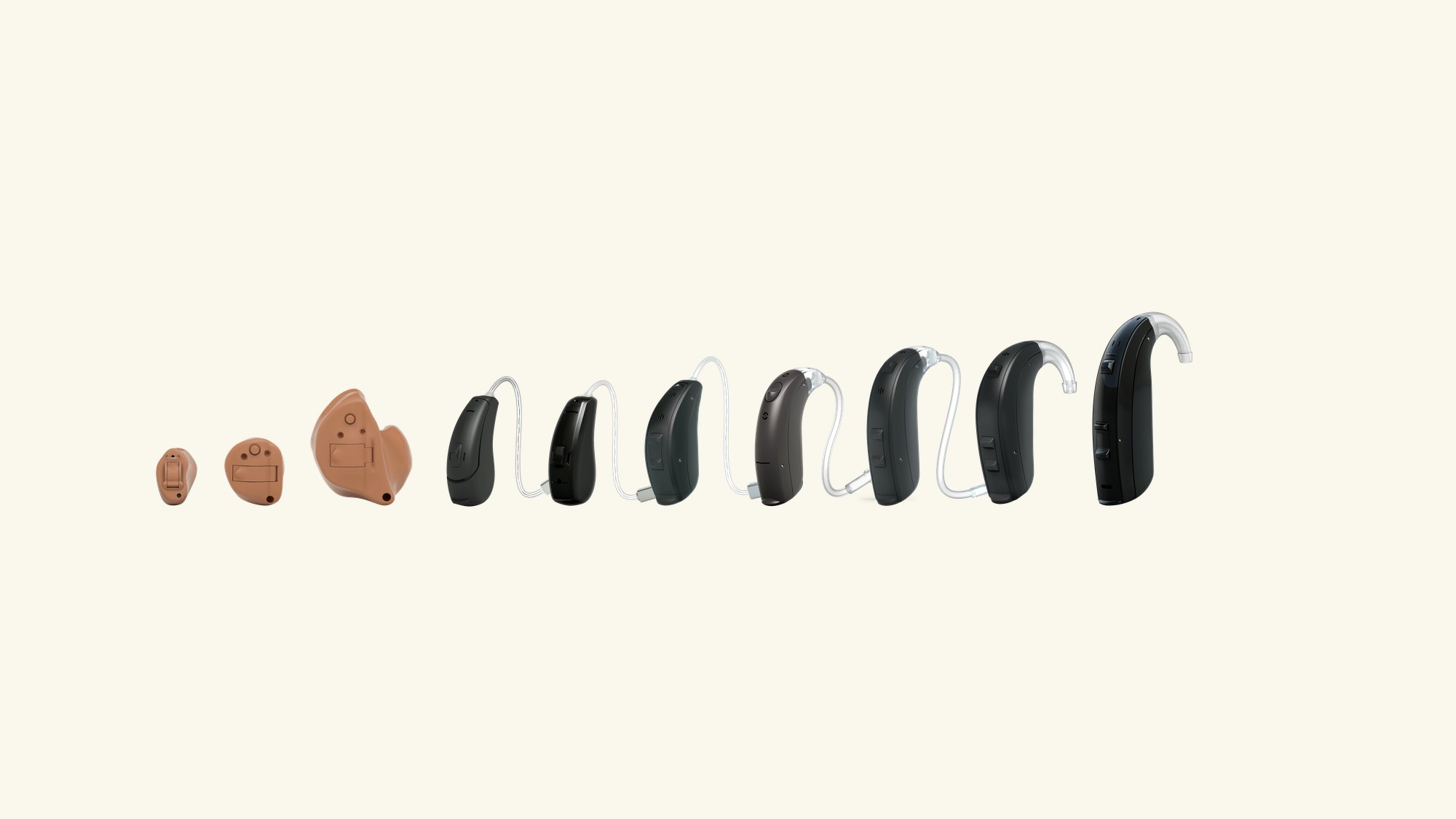
The best way to choose a hearing aid is to start with an up-to-date hearing assessment, then match the options to your daily listening needs, your comfort with handling, and the aftercare you will receive. A hearing aid is not a one-off purchase: it is fitted, adjusted and followed up over time.
Asking the right questions before you decide helps you avoid choosing on looks or price alone, and makes it more likely that the hearing aid you take home is one you will actually wear.
Why start with a hearing test?
Your hearing test shows the degree and pattern of your hearing loss in each ear. This affects which styles can provide enough support, whether one or two hearing aids are suggested, and how the device will be programmed. Choosing a hearing aid without current results is like choosing glasses without an eye test. If you have not had a recent hearing test, that is the first step.
Questions to ask about your hearing
- What type and degree of hearing loss do I have? Ask your audiologist to explain your results in plain words.
- Are both ears affected? This shapes the discussion about one hearing aid or two.
- Is there anything that needs a medical check first? For example, ear pain, discharge, a sudden change, or hearing loss mainly in one ear should be assessed by a doctor.
Questions to ask about your daily life
Think about the places where hearing is hardest for you:
- quiet conversations at home;
- family gatherings, majlis visits or restaurants with background noise;
- meetings, classrooms or prayers in large rooms;
- phone calls, television and video calls;
- driving or being outdoors in wind.
Someone who spends most of the day at home in quiet settings may have different needs from someone who attends busy meetings every day. Share these situations openly so the recommendation fits your real life.
Questions to ask about style and handling
- Which styles suit my results and my ears? Read our comparison of hearing aid styles for the main options.
- Can I insert, remove and clean this style comfortably? Try handling a sample if possible.
- Rechargeable or disposable batteries? Consider your routine, travel and dexterity.
- Will it be comfortable with glasses or a headscarf?
Questions to ask about technology level
Hearing aids are often offered at different technology levels. Higher levels usually add more automatic adjustment and more refined handling of noisy places, while essential levels focus on the core functions. Ask:
- What would a higher level change for me, in the situations I described?
- Do I need wireless streaming to my phone or TV?
- Is a lower level enough for a mainly quiet lifestyle?
Our guide to hearing aid technology levels explains these differences in more detail.
Questions to ask about aftercare
The fitting is the beginning, not the end. Ask:
- How many follow-up and adjustment visits are included, and how do I book them?
- Who do I contact if something feels wrong or the device stops working?
- How are repairs and warranty handled?
- How often should my hearing be retested?
Good aftercare matters because hearing aids usually need fine-tuning once you start using them in everyday life. You can read what happens at a hearing aid fitting appointment.
Tools that can help you prepare
Before your visit, you can browse our hearing aid catalogue to see the Danavox families available, and use the product finder to note which options interest you. Bring your notes to the appointment; the final recommendation should always be based on your assessment.
When to see a specialist
Book a visit if you are noticing difficulty following conversations, turning the TV up more than others like, or asking people to repeat themselves. Book also if your current hearing aids no longer meet your needs. You can arrange a Danavox hearing aid fitting consultation after a hearing assessment by booking online or contacting us; no referral is needed for a hearing assessment.
If hearing loss comes on suddenly, or comes with pain, discharge or dizziness, see a doctor promptly first.
Frequently asked questions
Is the most expensive hearing aid always the best?
Not necessarily. The best hearing aid is the one that suits your hearing results, your daily listening situations and your ability to handle it, and that is fitted and followed up properly. A higher technology level can help in some situations, but it does not replace good fitting and aftercare.
Should I choose based on a friend's hearing aid?
A friend's experience can be useful to hear about, but their hearing loss, ears and lifestyle are likely to be different from yours. A hearing aid that works well for them may not suit you. Your choice should be based on your own hearing assessment and needs.
What aftercare should be included?
Ask about follow-up and fine-tuning visits, cleaning and maintenance checks, how repairs and warranty are handled, and how to get help quickly if a problem appears. Also ask how often your hearing should be retested. Clear aftercare arrangements help you get the most from your hearing aids.
Related reading
- Hearing Aid Styles Compared: RIC, BTE, ITE and CIC
- Hearing Aid Technology Levels Explained: What Changes Between Essential and Premium
- One Hearing Aid or Two? How the Decision Is Made
- Your Hearing Aid Fitting Appointment: What Happens, Step by Step
- Hearing Aids: A Complete Guide to How They Work and Getting Started
- Do I Need a Hearing Aid? Signs, Test Results and Next Steps
Sources
This article is general information and does not replace advice from a qualified professional.