
Hearing Aid Technology Levels Explained: What Changes Between Essential and Premium
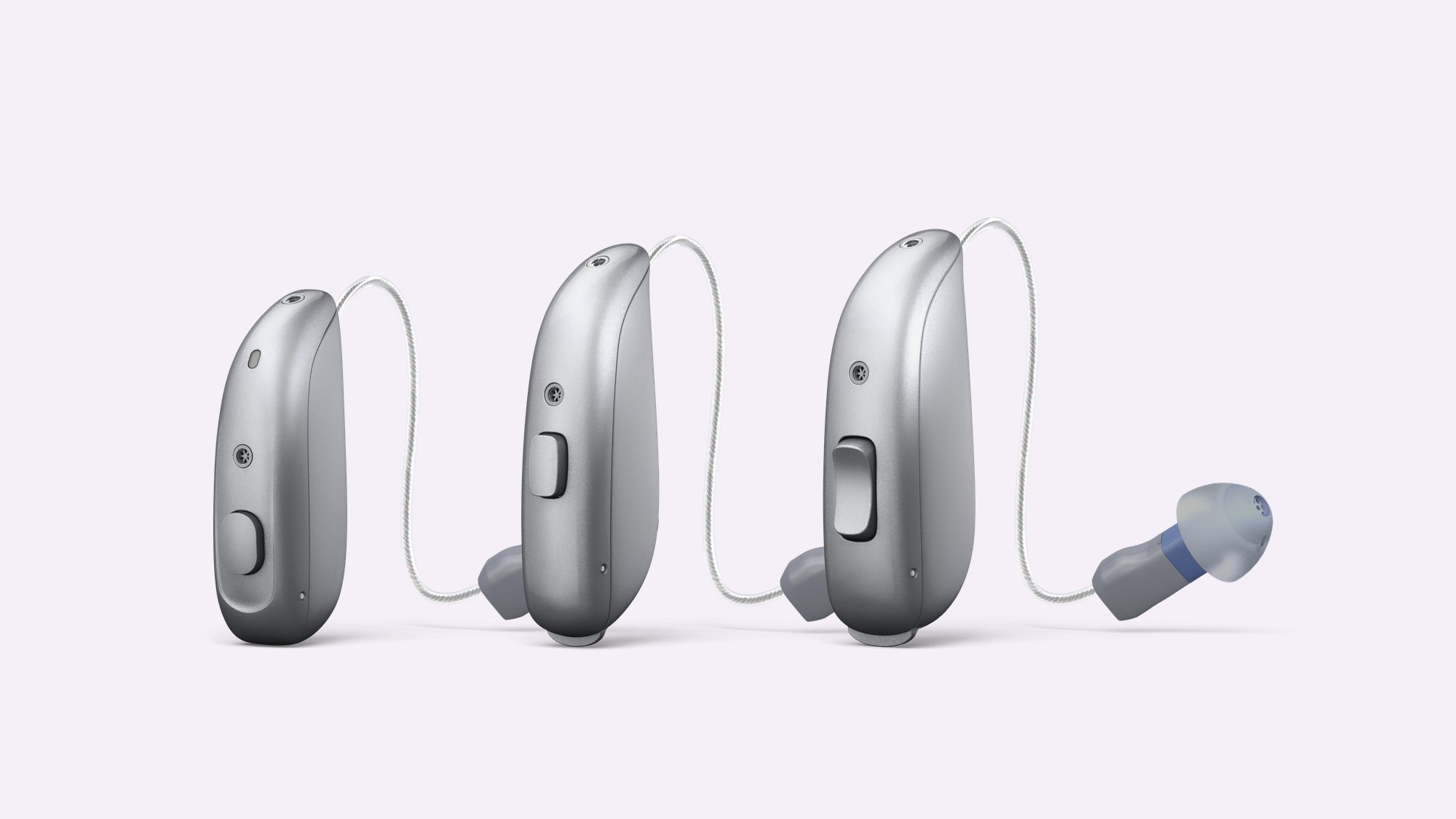
Hearing aid technology levels describe how much processing a hearing aid offers, from essential to premium. Essential levels cover the core job of making sounds audible and comfortable. Higher levels usually add more automatic adjustment, more refined handling of noisy and changing environments, and sometimes more connectivity options.
The right level is not about buying "the most". It is about matching the technology to the listening situations you face every day. Someone who spends most of the day in quiet settings may do well with an essential level, while someone in frequent meetings or busy social settings may notice more benefit from a higher one.
What are hearing aid technology levels?
Manufacturers often build the same hearing aid family in several versions. The outside may look similar, but the processing inside differs. Each level is programmed to your hearing test results, so all levels aim to make speech more audible. The difference is mainly in how the hearing aid manages complicated listening situations and how much it adjusts itself without you needing to change settings.
Our hearing aid catalogue shows the Danavox families we offer. Specific features vary between models, so your audiologist will explain what a particular level includes.
What usually changes between levels?
Handling of background noise
All modern hearing aids include some form of noise management. Higher levels usually do more to reduce steady background noise while keeping speech clear, and adjust this more smoothly as the environment changes.
Directional microphones
Directional microphone systems help focus on sound coming from a particular direction, usually in front of you, where the person you are talking to tends to be. Higher levels often adjust this focus automatically depending on the situation.
Automatic adjustment
Essential levels may rely more on manual programs that you choose. Higher levels typically identify the environment, such as quiet room, car or busy restaurant, and adapt settings on their own.
Comfort features
Features that soften sudden loud sounds, reduce wind noise or manage feedback (whistling) are common, and they are usually more refined at higher levels.
Connectivity
Many hearing aids can stream sound from a phone or TV and be controlled from an app or remote. Connectivity options are not always tied only to technology level; they can also depend on the hearing aid family and style. You can read more in our guide to using hearing aids with your phone, TV and accessories.
How do you match a level to your life?
Think honestly about a typical week:
- Where do you spend most of your time? Mainly at home, at work, outdoors, or in social gatherings?
- How often are you in noise? Daily busy meetings, family events and restaurants are different from occasional outings.
- What matters most to you? Clear conversation, comfortable sound, phone calls, TV, or simplicity?
- How comfortable are you with technology? Some people prefer a hearing aid that adjusts itself; others are happy to switch programs.
Write your answers down and bring them to your appointment. The product finder can also help you think through your needs before you visit. The choice of level is best made together with your audiologist during a Danavox hearing aid fitting consultation, alongside the choice of style covered in how to choose a hearing aid.
Keep expectations realistic: no technology level makes noisy places as easy as quiet ones, and good fitting and follow-up matter at every level.
When to see a specialist
Book a visit if you are choosing hearing aids, if your current hearing aids struggle in the situations that matter most to you, or if your listening life has changed, for example a new job with more meetings. Your audiologist can review your settings before you consider a change. Arrange a hearing aid fitting consultation by booking online or contacting us.
Frequently asked questions
Do I need premium technology?
Not everyone does. If you spend most of your time in quiet settings, an essential or mid level may meet your needs well. If you are often in noisy, changing environments, a higher level may help more. Your audiologist can help you decide based on your results and lifestyle.
Can a hearing aid be upgraded later?
In general, the technology level is set by the hearing aid you choose, so moving to a different level usually means a different device rather than a simple update. Settings can be adjusted and fine-tuned over time, however. Ask your audiologist what is possible for the specific model you are considering.
What is directional microphone technology?
It is a system that uses microphones to focus more on sounds coming from one direction, usually in front of you, and less on sounds from other directions. This can help in conversations with background noise. Many hearing aids switch this on automatically when the environment calls for it.
Related reading
- How to Choose a Hearing Aid: Questions to Ask Before You Decide
- Hearing Aid Styles Compared: RIC, BTE, ITE and CIC
- Using Hearing Aids With Your Phone, TV and Accessories
Sources
This article is general information and does not replace advice from a qualified professional.