
Your Hearing Aid Fitting Appointment: What Happens, Step by Step
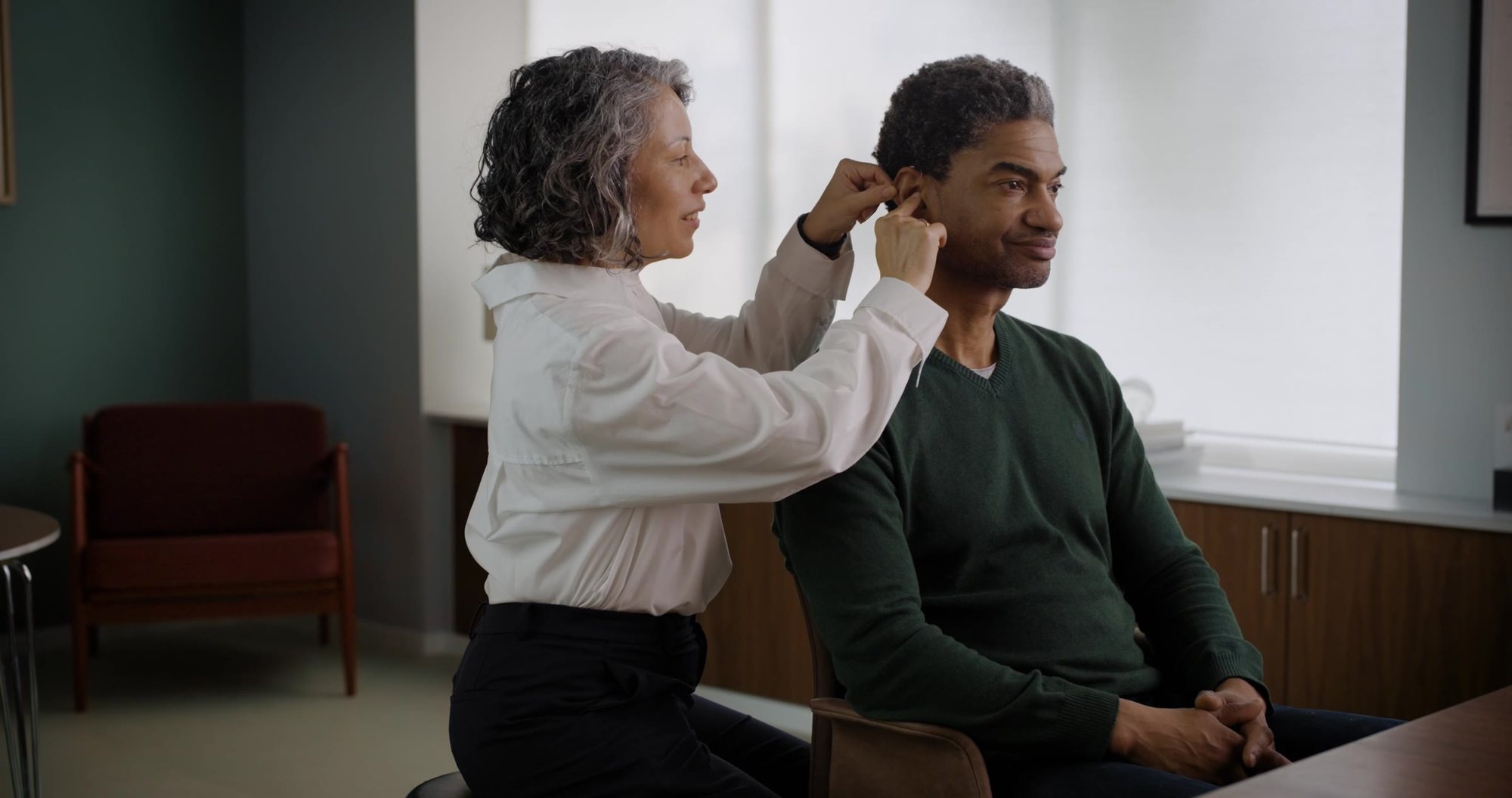
A hearing aid fitting is the appointment where your new hearing aids are set up for you. It usually includes checking that they fit comfortably in your ears, programming them to your hearing test results, checking how they sound with you, and practising how to put them in, take them out, clean them and charge or change batteries.
The fitting is the start of a process rather than a single event. Hearing aids are usually fine-tuned at follow-up visits once you have worn them in your everyday life.
What is a hearing aid fitting?
A fitting takes place after a hearing assessment and after you and your audiologist have agreed on the style and type of hearing aid. At Jordan Hearing & Speech, fittings for Danavox hearing aids are part of our Danavox hearing aid fitting service. You can learn more about our audiologist, Ashfeera Ashraf, before your visit.
What happens, step by step?
- Reviewing your results and goals. Your audiologist goes over your hearing test results and the situations where you most want to hear better, such as family conversations, work meetings or TV.
- Checking the physical fit. The hearing aids are placed in your ears to make sure the domes, tips or moulds fit comfortably and securely, without pressure or soreness.
- Programming. The hearing aids are connected to fitting software and programmed according to your hearing results. Settings are usually started at a level that is comfortable for a new user.
- Checking the sound with you. Your audiologist will ask how speech, your own voice and everyday sounds feel. Real-ear measurements, taken in the ear canal, are one way some audiologists check the sound reaching your eardrum; your audiologist will explain which checks are used for you.
- Setting up programs and options. If your hearing aids have extra programs, a phone app, or streaming, these may be set up and explained.
- Practice handling. You practise inserting and removing the hearing aids, cleaning them, changing wax guards or domes, and charging or changing batteries, until you feel confident.
- Planning the first weeks. You receive guidance on how long to wear the hearing aids at first and when to come back for a follow-up.
What should you bring?
- Any previous hearing test results or reports, if you have them.
- Your glasses, if you wear them, so you can check comfort with both.
- Your phone, if you would like it connected to your hearing aids.
- A list of questions and the situations you find hardest.
- A family member or friend, if you wish. A familiar voice can help you judge how speech sounds, and a second person can help remember instructions.
What should you expect afterwards?
It is normal for sounds to seem different at first. Your own voice, footsteps, rustling paper or running water may seem louder or sharper than you remember. The brain usually needs time to get used to hearing these sounds again. Our guide on getting used to new hearing aids has practical tips, and our article on hearing aid programming and fine-tuning explains why follow-up visits matter.
When to see a specialist
Book your fitting once you have had a hearing assessment and chosen a hearing aid with your audiologist. After the fitting, come back sooner than planned if the hearing aids hurt, cause soreness, whistle constantly, or if speech still seems unclear. You can arrange a hearing aid fitting or a follow-up by booking online or contacting us by phone or WhatsApp.
If you notice a sudden change in your hearing at any point, see a doctor promptly.
Frequently asked questions
How long does a fitting take?
A fitting usually takes longer than a quick check, because it includes programming, checking the sound and practising handling. The exact time depends on the type of hearing aid and how many features need setting up. You can ask how long to allow when you book.
Should someone come with me?
It is not required, but many people find it helpful. A family member or friend can give a familiar voice for checking how speech sounds, help remember care instructions, and support you while you get used to the hearing aids at home.
Will the hearing aids be adjusted again later?
Yes, adjustments are a normal part of the process. Once you have worn your hearing aids in daily life, your audiologist can fine-tune them based on your experience. Note any situations where sound seems too loud, too soft or unclear, and bring these notes to your follow-up visit.
Related reading
- Getting Used to New Hearing Aids: The First Weeks
- Hearing Aid Programming and Fine-Tuning: Why Follow-Up Visits Matter
- Hearing Aids: A Complete Guide to How They Work and Getting Started
Sources
This article is general information and does not replace advice from a qualified professional.