
Hearing Aid Batteries and Charging: Habits That Help Them Last
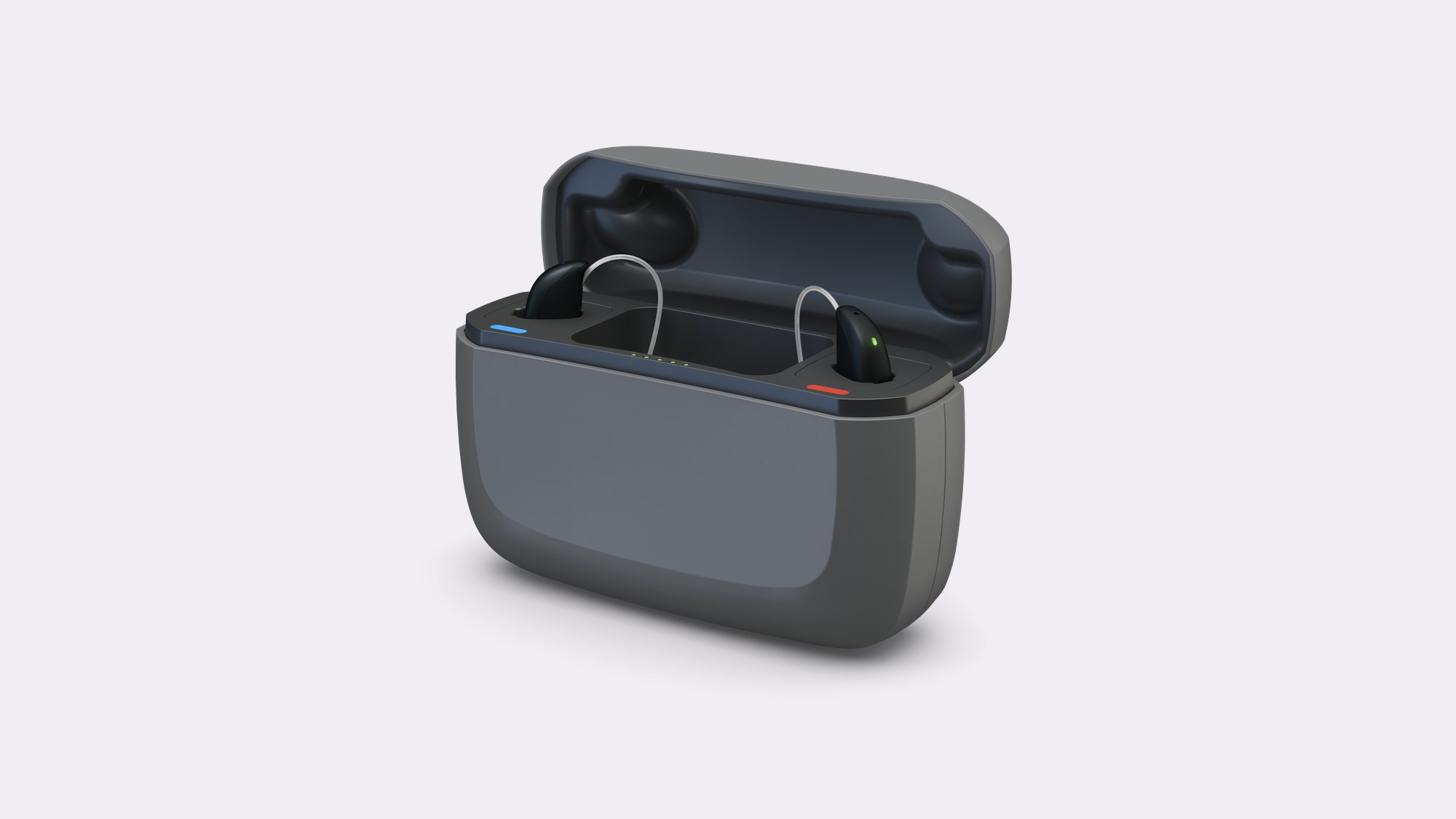
Hearing aids run either on small disposable batteries or on a built-in rechargeable battery. In both cases, a few simple habits help them work reliably through the day: store batteries correctly, change or charge them on a regular routine, keep contacts clean and dry, and avoid heat.
How long a battery lasts varies a lot with the type of hearing aid, how many hours a day you wear it, and how much you stream audio. Rather than aiming for a fixed number, it helps to learn your own pattern and plan around it. And because small batteries are dangerous if swallowed, safe storage at home matters as much as battery life.
What types of hearing aid power are there?
- Disposable batteries: small button-shaped batteries that you replace when they run down. They come in different sizes depending on the hearing aid, and each size is usually colour-coded on the packaging.
- Rechargeable hearing aids: a battery is built into the aid and is recharged by placing the aids in a charger, usually overnight.
If you are still deciding which suits you, our article comparing rechargeable and disposable-battery hearing aids looks at the pros and cons of each.
Habits for disposable batteries
Store them well
- Keep batteries in their original packaging at room temperature, in a dry place.
- Avoid storing them in the refrigerator, in a hot car or in a humid bathroom.
- Do not carry loose batteries in a pocket or purse with keys or coins, as metal contact can drain them.
Change them the right way
- Wash and dry your hands first, since grease and moisture can affect the battery.
- Remove the coloured tab only when you are ready to use the battery.
- Wait a short while after removing the tab before inserting it, as advised in many hearing aid instructions, so that the battery can activate fully.
- Insert it the right way round and close the battery door gently.
Look after battery life
- Open the battery door when you take the aids out at night. This switches the aid off and lets moisture escape.
- Keep a spare battery with you when you go out.
- Notice the warning tone many aids give when the battery is low, so you can change it in good time.
- Dispose of used batteries safely according to local guidance, and keep them out of reach of children until you do.
Habits for rechargeable hearing aids
- Charge on a routine: most people find it easiest to place the aids in the charger every night, so they start each day fully charged. Follow the charging instructions for your device.
- Keep the charger clean and dry: wipe the aids before placing them in the charger, and keep the charging contacts free of wax, dust and moisture.
- Use the correct charger and cable: use the charger supplied for your hearing aids or an approved replacement, such as the Danavox desktop charger.
- Avoid heat: keep the charger away from direct sun, heaters and windowsills.
- Know the indicator lights: learn what the lights on the charger and the aids mean, so you can spot a charging problem early.
- Plan for travel: take the charger and its cable with you, and check the plug type for your destination.
If your rechargeable aids no longer last through the day, or if they do not seem to charge, contact the clinic so our team can advise on the next step. Battery capacity can change over time.
Battery safety at home
Small button batteries can cause serious harm if swallowed or put into the nose or ear, especially by young children and pets. Keep new and used batteries in a closed container out of sight and reach, never leave them on tables or bedside cabinets, and never put batteries in your mouth while changing them.
If you think a child or anyone else has swallowed a battery, treat it as an emergency and seek medical help immediately. Do not wait for symptoms to appear.
When to see a specialist
Contact the clinic if:
- Batteries are running down much faster than they used to.
- Your rechargeable aids are not lasting through your usual day.
- The aids do not charge, or the indicator lights show something unusual.
- You see corrosion or residue in the battery compartment or on the charging contacts.
- You would like help choosing between rechargeable and disposable-battery options.
Our team can explain the power options in the Danavox hearing aid catalogue and advise on the next step. You can also read about our Danavox hearing aid fitting service.
You can book an appointment online or contact us if you are not sure which service you need.
Frequently asked questions
Why do I wait after removing the battery tab?
Many hearing aid batteries are activated by air. Removing the tab lets air in, and waiting a short time before inserting the battery allows it to activate more fully. Your hearing aid or battery instructions will give the recommended approach.
Is it safe to charge overnight?
Rechargeable hearing aids are generally designed to be charged overnight, and this is how most people use them. Use the original or an approved charger, keep it on a stable surface away from heat and moisture, and follow the instructions for your device.
Why are button batteries a risk for children?
Button batteries are small and easy to swallow or push into the nose or ear, and they can cause serious internal injury. Store them out of children's sight and reach, and if you suspect a battery has been swallowed, seek emergency medical help immediately.
Related reading
- Rechargeable vs Disposable-Battery Hearing Aids: Which Suits You?
- Hearing Aid Sounds Weak or Silent? A Step-by-Step Checklist
- Hearing Aids in Heat, Sweat and Humidity: Care Tips for a Hot Climate
Sources
This article is general information and does not replace advice from a qualified professional.