
Why Is My Hearing Aid Whistling? Common Causes and Fixes
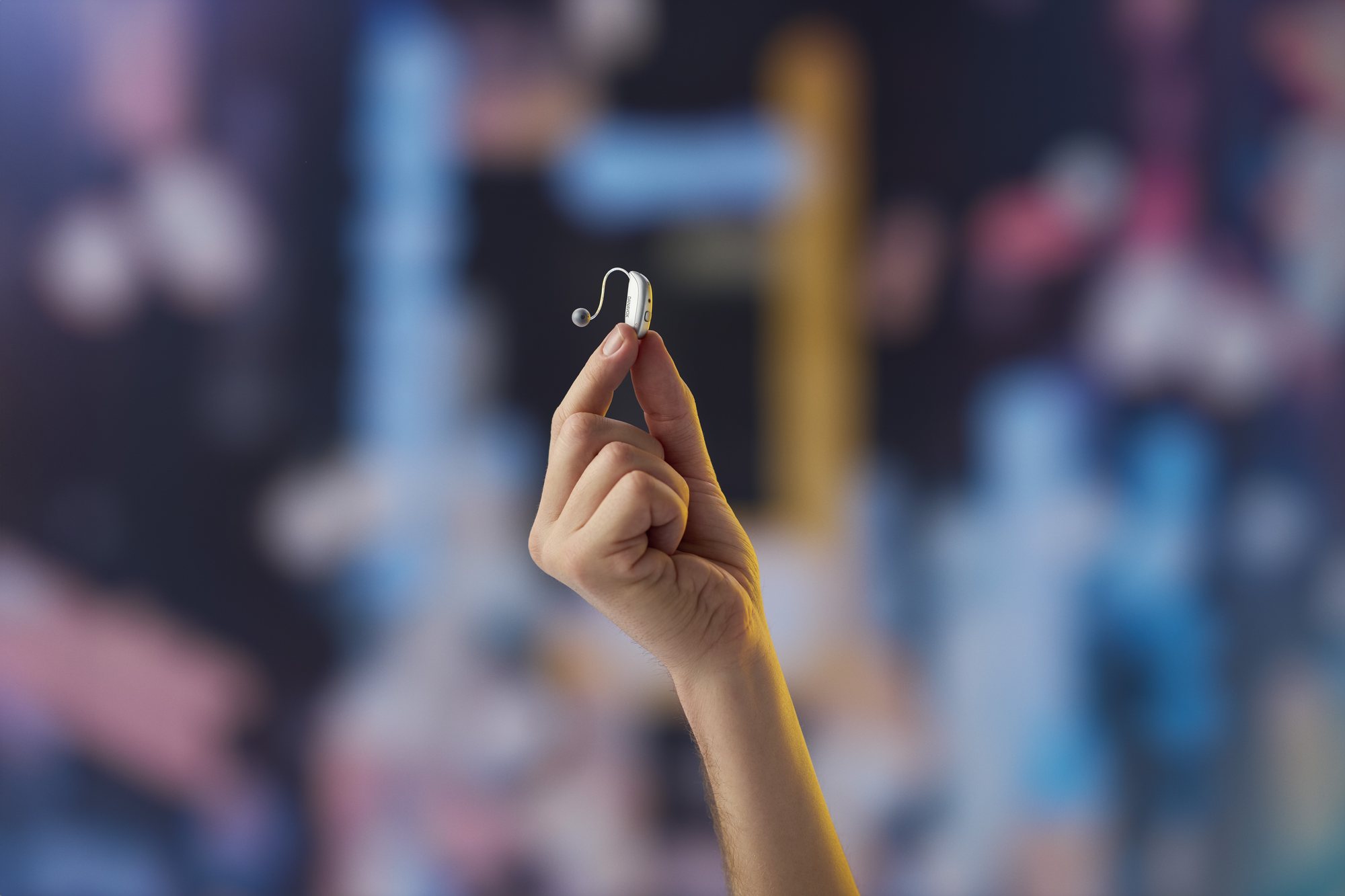
A hearing aid usually whistles because amplified sound is escaping from the ear and being picked up again by the hearing aid's own microphone. This loop is called feedback, and it produces the familiar squeal or whistle.
The most common reasons are an earpiece or dome that is not sitting deeply or snugly enough, ear wax in the ear canal, a damaged tube or dome, or the volume being turned up higher than usual. Many of these can be checked at home in a few minutes. If whistling continues after simple checks, the fit or programming may need a professional adjustment.
What is hearing aid feedback?
Every hearing aid has a microphone that picks up sound and a receiver (speaker) that delivers the amplified sound into your ear. When the earpiece seals the ear well, almost all of that amplified sound stays in the ear canal. When there is a gap, some of it leaks out, reaches the microphone again, gets amplified again, and quickly turns into a high-pitched whistle.
Modern hearing aids usually include feedback management, so whistling is much less common than it used to be. When it does happen regularly, it is a useful signal that something about the fit, the ear or the device has changed.
Why does my hearing aid whistle?
The hearing aid is not inserted fully
This is the most frequent cause. If the dome, earmould or in-ear shell is sitting slightly out of the ear, sound escapes around it. Remove the aid and insert it again slowly, making sure it sits fully and comfortably in place. A mirror can help while you are learning.
Something is close to the ear
Covering the aid with your hand, holding a phone too close, hugging someone, wearing a hat or resting your head on a pillow can reflect sound back to the microphone. Brief whistling in these moments is common and usually stops when the object moves away.
Ear wax in the ear canal
A build-up of ear wax can block the path of sound so that it bounces back out of the ear instead of travelling inward. Wax can also clog the wax guard or the sound outlet of the hearing aid. Avoid cleaning inside your ear with cotton buds or other objects, as this can push wax deeper. If you think wax is building up, have your ears checked by a professional. You can read more in our article on ear wax and hearing.
A worn or damaged dome, tube or earmould
Domes soften and lose their shape over time, tubes can harden or crack, and earmoulds can shrink slightly or become loose. Any of these can create a gap. Look closely for splits, cracks or a dome that no longer holds its shape.
Volume set higher than usual
Turning the volume up raises the amount of sound that can leak back. If you find you need more volume than before, it is worth asking why, because your hearing or the fit may have changed.
How can I stop my hearing aid whistling?
Try these steps in order:
- Remove the hearing aid and reinsert it carefully, checking that it is fully seated.
- Check that nothing is near the ear, such as a hand, scarf, hat or phone held too close.
- Look at the dome, tube or earmould for splits, hardening or a poor shape, and replace worn parts as you were shown at your fitting.
- Check and change the wax guard if it looks blocked, following the instructions provided with your device.
- Lower the volume slightly and see whether the whistling stops.
- If you wear two aids, make sure each one is in the correct ear.
- If whistling continues, book an appointment rather than living with it.
Daily cleaning makes many of these problems less likely. You can read about our Danavox hearing aid fitting service on its page.
What should I avoid?
- Do not push domes or earmoulds in forcefully; they should feel secure but comfortable.
- Do not try to remove ear wax with cotton buds, hairpins or other objects.
- Do not try to modify, cut or glue tubes or shells yourself.
When to see a specialist
Book an appointment if:
- Whistling continues after you have reinserted the aid and checked the dome, tube and wax guard.
- The earpiece feels loose or keeps working its way out of the ear.
- You think ear wax is building up, or your ear feels blocked.
- You notice you need more volume than before, or speech seems less clear.
- The aid feels uncomfortable or causes soreness.
If whistling continues, you can book a visit online or contact us so our team can advise on the next step. You can also read about our Danavox hearing aid fitting service.
If you have ear pain with discharge, sudden hearing loss, or dizziness together with hearing changes, do not wait for a routine appointment: seek medical attention promptly.
Frequently asked questions
Is some whistling normal when inserting the aid?
Yes, a short whistle while you are putting the hearing aid in or taking it out is common, because the earpiece is not yet sealing the ear. It should stop once the aid is fully in place. If it keeps whistling after insertion, check the fit and the parts.
Can ear wax cause whistling?
Yes. Ear wax can reflect sound back out of the ear canal and can also block the hearing aid's wax guard or sound outlet. Avoid cleaning inside the ear yourself with objects, and ask a professional to check your ears if you suspect a build-up.
When does whistling need a professional check?
If whistling continues after you have reinserted the aid, replaced worn parts and changed the wax guard, it is time for a check. Regular whistling can mean the fit has changed, a part is damaged or the settings need reviewing, and these are best assessed in clinic.
Related reading
- Hearing Aid Sounds Weak or Silent? A Step-by-Step Checklist
- Ear Wax and Hearing: When a Blocked Ear Affects Your Hearing
- Hearing Aid Programming and Fine-Tuning: Why Follow-Up Visits Matter
Sources
This article is general information and does not replace advice from a qualified professional.